
 CN
CN  EN
EN  RU
RU  ES
ES  JA
JA Dr. Jesús Esquide Presents Combined Approach to Melasma Treatment at IMCAS World Congress Paris 2026
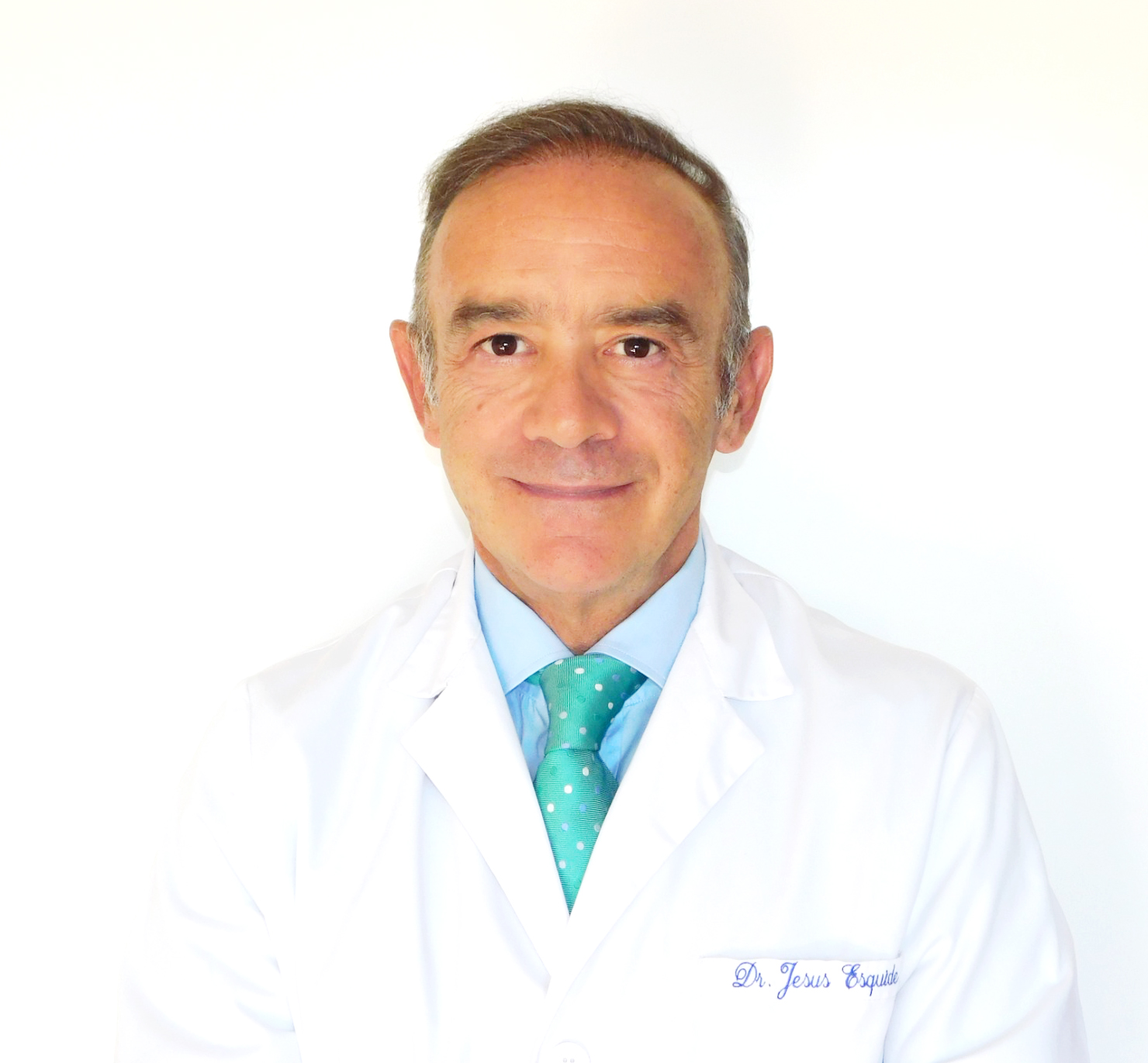
Dr. Jesús Esquide delivered a scientific
lecture at IMCAS World Congress Paris 2026, presenting an advanced clinical
approach to melasma treatment based on the combination of skin boosters with
aesthetic technologies.
The session, titled “The Revolution in
Melasma Therapy,” introduced a comprehensive strategy for managing melasma,
a chronic and recurrent hyperpigmentation disorder that significantly affects
patients’ quality of life and remains challenging to treat due to frequent
relapses and multifactorial causes.
During the lecture, Dr. Esquide explained
the pathophysiology of melasma, including the role of ultraviolet exposure,
hormonal influences, genetic predisposition, inflammation, and vascular
involvement. He emphasized that mixed-type melasma — the most common and
difficult to treat — requires a personalized and multimodal therapeutic
approach.
The central focus of the presentation was
QUEENDOES LUCIA, a skin booster developed by KUBER SCIENCE, designed to improve
skin tone uniformity and reduce hyperpigmentation. The product contains key
active ingredients such as Tranexamic Acid, Melatonin, and Magnesium Ascorbyl Phosphate
(MAP), which help regulate melanogenesis, provide antioxidant and
anti-inflammatory effects, and support skin brightening and barrier
restoration.
Dr. Esquide highlighted the importance of combining
skin boosters with advanced aesthetic technologies to enhance penetration,
target multiple skin layers, and improve treatment efficacy while minimizing
side effects.
As part of the scientific session, he
presented a clinical case involving a patient with mixed melasma who underwent
three treatment sessions at 3–4 weeks’ intervals, combined with
technology-assisted protocols including AI-controlled microneedling and
multifunctional skin care systems.
According to the results presented,
visible improvement was observed after the first session, particularly in the
cheeks and upper lip. Continued treatment led to progressive skin brightening
and pigment reduction, with marked improvement noted across the forehead,
cheeks, and upper lip after the third session.
The lecture contributed to the scientific
exchange at IMCAS Paris 2026 by offering practical insights and real clinical
evidence supporting innovative approaches in aesthetic dermatology.